
The Disciple Asks Who Gets to Hear Wu-Tang’s Rarest Album
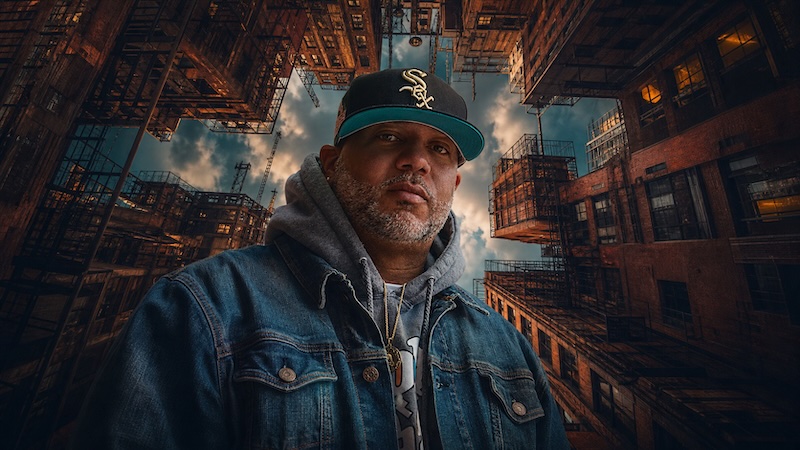
Released on Netflix on October 16, 2026, Joanna Natasegara’s The Disciple: A Wu-Tang Fable centers on the story of a fan. Tarik Azzougarh, better known as the Dutch-Moroccan rapper and producer Cilvaringz, grew up far from Staten Island. He loved Wu-Tang Clan, earned RZA’s attention and became part of the group’s wider circle. Then he helped create one of the strangest projects in rap history.
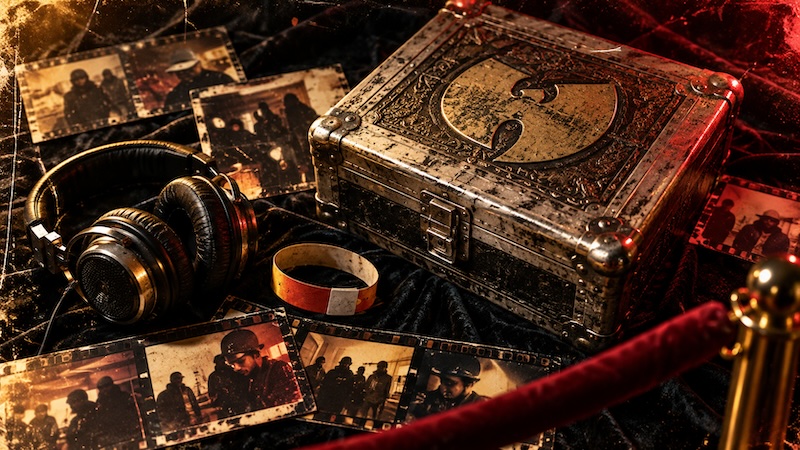
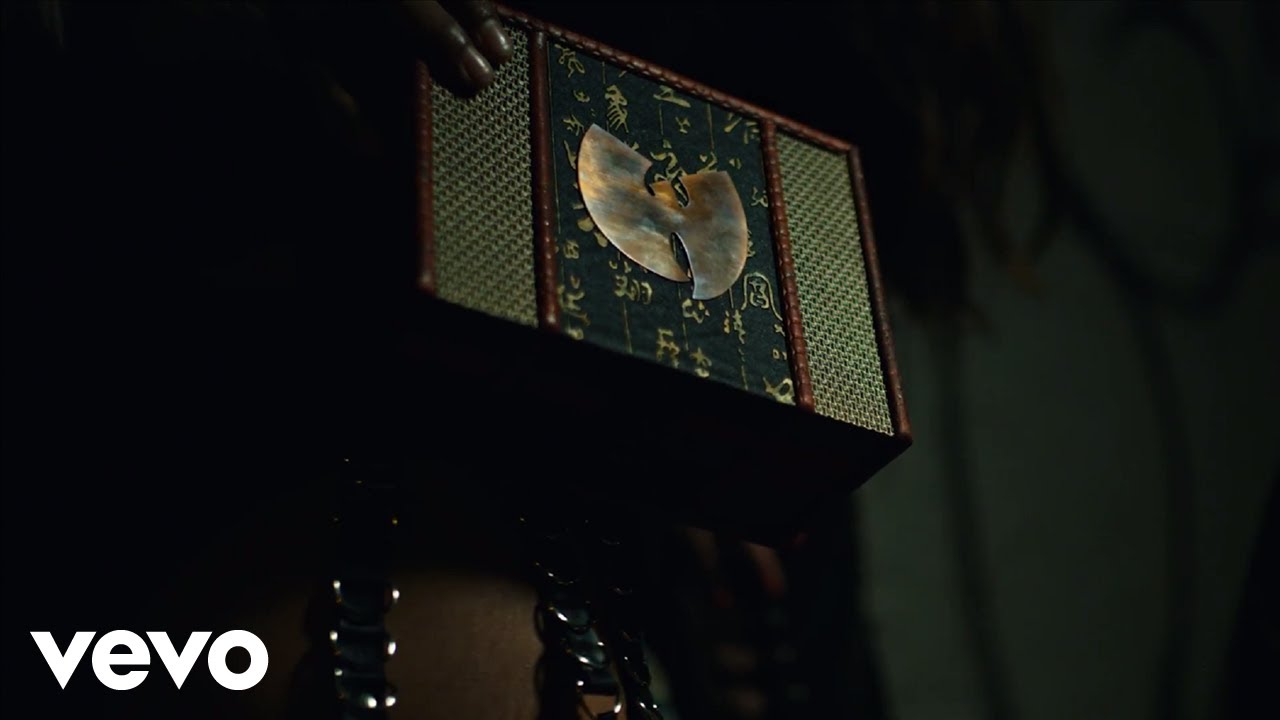
That project was Once Upon a Time in Shaolin, a 31-track album made as a single physical copy. It came in a silver-and-nickel case and was sold with an 88-year restriction on commercial release. Most fans still have not heard it.
Director Joanna Natasegara follows Cilvaringz from devoted listener to Wu-Tang affiliate and producer of the rare album. His path gives the documentary a clear human story. It also raises a larger question: when music is treated as a costly art object, who gets to decide what it is worth and who is allowed to hear it?

A fan enters the Wu-Tang circle
Cilvaringz was born in the Netherlands to Moroccan parents. As a young Wu-Tang fan, he traveled to shows and sought a place near the group. Netflix and Sundance describe how he caught RZA’s attention, joined the wider Wu-Tang network and began recording under the name Cilvaringz.
RZA, an executive producer of the film, has described mentorship as a key part of Wu-Tang’s history. Natasegara has also spoken about the group’s reach beyond the United States. For listeners from different racial and national backgrounds, Wu-Tang offered a sense of identity and belonging.
That context matters because Cilvaringz was more than a collector watching from a distance. He became an artist with access to RZA and other people connected to the Clan. According to Forbes, he spent six years producing Once Upon a Time in Shaolin with RZA’s involvement.
His rise from fan to collaborator provides the documentary’s central story. It shows how hip-hop communities can cross borders and how serious fandom can lead to creative work. It also brings questions about trust and authority. Wu-Tang is a group with many members, separate careers and different views. One affiliate’s story cannot speak for everyone.
Why make only one copy?
RZA and Cilvaringz wanted the album to challenge the low price placed on recorded music in the streaming era. Their idea was simple: make one copy, present it like a rare work of art and sell it to one owner.
The plan drew attention because it rejected the usual release system. There would be no standard run of CDs, no full streaming release and no easy way for the public to hear the complete record. The sale agreement limited commercial use for 88 years.
That restriction has often been described as a total ban on listening until 2103. It was not. The owner could arrange private sessions or controlled exhibitions. In 2024, visitors at the Museum of Old and New Art in Tasmania heard selected music from the album during scheduled events.
The album was kept away from ordinary sale and streaming, yet listening was possible when the owner allowed it. Scarcity became part of the work’s price and public identity.
Even within Wu-Tang, the idea did not produce one shared response. Method Man publicly called the 88-year plan “stupid” in 2015. His criticism showed that the album’s rules were disputed from the beginning.
The creators had a valid concern. Streaming gives listeners easy access, while many artists receive small payments from each play. A one-copy album could demand a high price and force people to consider recorded music as something with lasting financial value.
The problem is access. Hip-hop grows through listening, debate, memory and exchange. A rare object may sell for millions, but that price does not tell us how much the music means to the public. It tells us what one buyer was willing to pay.
A record that changed owners
Martin Shkreli bought the album in 2015 for a reported $2 million. His ownership soon became a major part of the story, even though it was never the original point of the project.
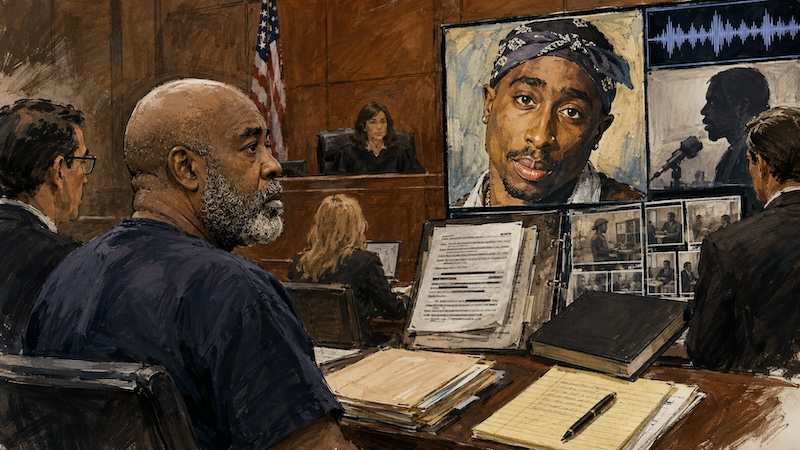
After Shkreli was convicted of securities fraud, the album was forfeited as part of a federal judgment. The US government sold it in 2021 without naming the buyer or the price. PleasrDAO later said it had acquired the physical album and later obtained more digital rights through another deal. Public court records do not show that the government sold the album straight to PleasrDAO, so the transactions should be described separately.
The ownership story did not end there. PleasrDAO sued Shkreli in 2024, claiming that he had kept and shared digital copies after giving up the album. Those claims are allegations and have not all been settled as fact. The case was still active in 2026.
For general listeners, the key point is clear. It is possible to own one decorated box. It is harder to control music once digital files exist. The dispute shows how difficult it is to make recorded sound behave like a unique painting or sculpture.
Whose version of the story?
The Disciple is centered on Cilvaringz, with RZA serving as an executive producer. That gives the film close access to the two people most closely tied to the album’s idea. It also means the documentary tells the story from an invested point of view.
Reviews in The Guardian and at RogerEbert.com have noted the limited amount of new input from core Wu-Tang members. Much of the wider group’s presence comes through archive footage and brief appearances. The film may help viewers understand Cilvaringz, but it cannot settle every disagreement around the album.
That limit does not erase the value of his story. Cilvaringz represents the global audience Wu-Tang built over decades. He heard the music, studied its world and found a way into the group’s extended family. His account shows the opportunities created by that reach.
At the same time, his greatest project with RZA was designed to keep most of that audience at a distance. That tension is central to the debate around the album. A fan gained rare access, then helped make an album defined by limited access for other fans.
What is music worth?
Once Upon a Time in Shaolin did what its creators wanted in one sense. It made people argue about the value of recorded music. More than a decade after its sale, the album still generates debate, legal conflict and public curiosity.
Yet price, ownership and cultural value are different things. A buyer can own a box and certain rights. Fan listening, discussion and shared history determine much of music’s cultural value. When access is limited to private guests or museum visitors, most of that public relationship cannot develop.
The official trailer for The Disciple presents Cilvaringz as an outsider who entered Wu-Tang’s inner circle and helped create a controversial album. The documentary is now available through Netflix, a service built to reach a huge subscriber audience. Viewers can easily watch the story of a record they still cannot hear in full.
That contrast is the film’s most useful question. Artists deserve fair payment and control over their work. Listeners also influence how music is understood and remembered, especially in hip-hop, where community response has always shaped reputation and meaning. The Disciple asks viewers to consider what happens when protecting value gives a small number of owners control over access.
Watch The Disciple: A Wu-Tang Fable – now streaming on Netflix.








One thought on “The Disciple Asks Who Gets to Hear Wu-Tang’s Rarest Album”