
Hip Hop’s Inductees into the 2026 Rock & Roll Hall of Fame
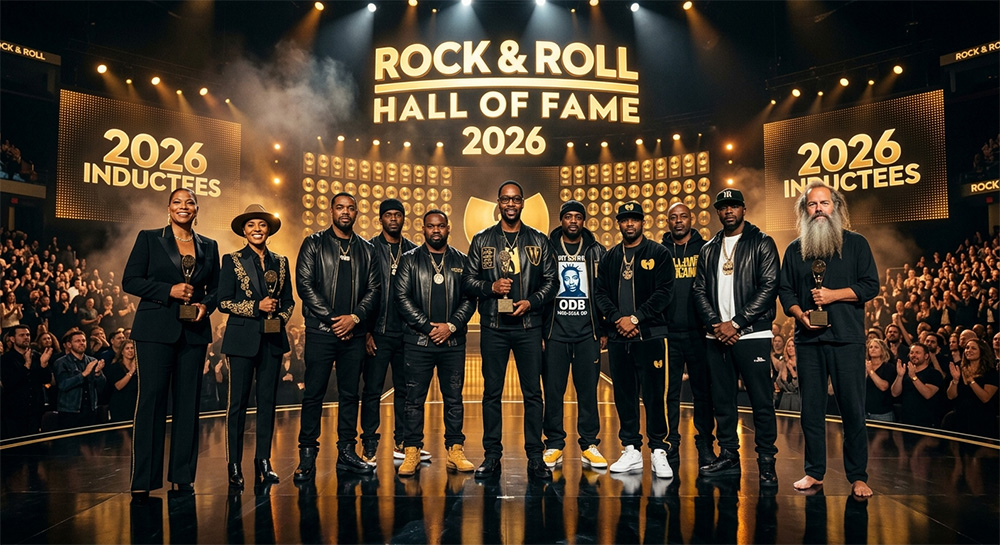
The 2026 Rock & Roll Hall of Fame class tells a larger story than one night of speeches and trophies. It shows how wide the idea of popular music has become, and how impossible it is to talk about modern culture without Hip Hop in the center of the room. This year’s announced class includes names from many eras and sounds, including Phil Collins, Billy Idol, Iron Maiden, Joy Division/New Order, Oasis, Sade, Luther Vandross, Celia Cruz, Fela Kuti, Gram Parsons, Linda Creed, Arif Mardin, Jimmy Miller, and Ed Sullivan. Yet for Hip Hop fans, four names stand out right away: Wu-Tang Clan, Queen Latifah, MC Lyte, and Rick Rubin. The ceremony is expected later this year, following the Hall’s usual fall schedule, with location and broadcast details expected around the official rollout. For longtime rap listeners, this class feels like another correction of the record books. Hip Hop is not a guest at the Hall anymore. It is one of the pillars holding the building up. These four inductees each represent a different lane: raw street art, women’s leadership, lyrical skill, and behind the scenes innovation. Put them together and you get a fuller picture of how rap changed music across the world.
Wu-Tang Clan Enter the Hall With Their Legacy Fully Intact
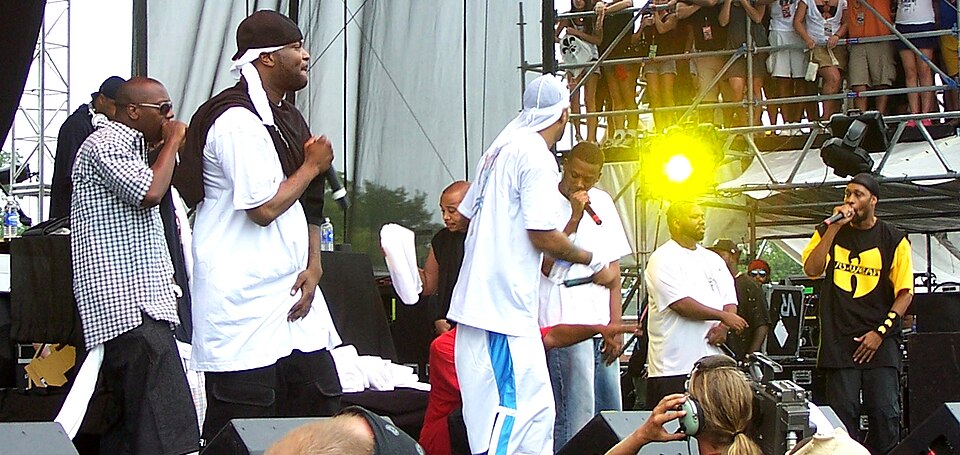
Few groups changed rap music the way Wu-Tang Clan did. When they arrived in the early 1990s with Enter the Wu-Tang (36 Chambers), they brought a sound that felt dirty, sharp, chaotic, smart, and fully alive. The production from RZA sounded like kung fu tapes, soul loops, basement speakers, and city tension all at once. Then there were the voices. Method Man, Ghostface Killah, Raekwon, GZA, Ol’ Dirty Bastard, Inspectah Deck, U-God, Masta Killa, and Cappadonna in the extended movement. Each member had a distinct style, which made the group feel like a full league of stars instead of one act. Their solo runs only added to the myth. In reaction to the Hall honor, RZA said he was still absorbing it and once felt Hip Hop would never be viewed as part of that institution. That comment matters because it reflects how many rap artists once saw the Hall as distant from their culture. He was aiming high in who he’d like to swear them in when he named Barack Obama. Today, Wu-Tang entering proves the walls moved. Their influence reaches far past records. Fashion, slang, business strategy, film references, branding, and group economics all carry their fingerprints. Method Man’s short message, “We made it. THANK YOU,” said enough. Wu-Tang did not wait for acceptance. They built their own lane, then the world had to honor it later.
Queen Latifah Gets Her Crown as a True Trailblazer
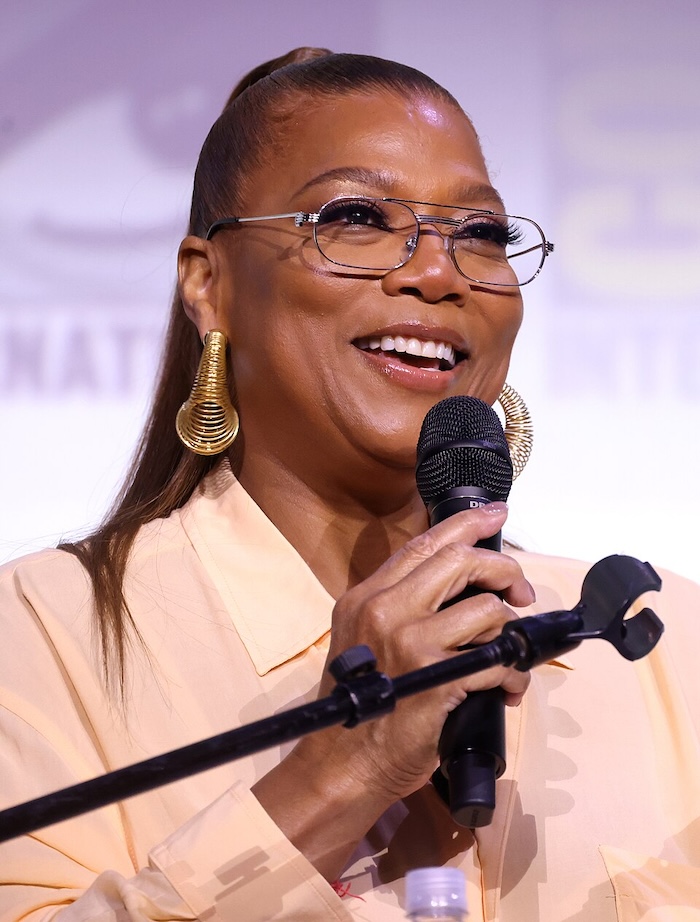
Queen Latifah receiving recognition is bigger than one category. It is recognition of a woman who expanded what an MC could be. When Latifah broke through in the late 1980s, she brought authority, presence, and balance. Songs like “Ladies First” and “U.N.I.T.Y.” pushed respect, self-worth, and social commentary without losing groove or replay value. She had command on the mic, but she also carried herself with the poise of someone thinking several moves ahead. That foresight showed in film, television, entrepreneurship, and longevity. Many artists cross over. Queen Latifah built bridges and kept credibility on both sides.
She never needed to erase her Hip Hop roots to succeed elsewhere. For younger listeners, it is easy to forget how rare that path once was. She helped make it normal for rappers, especially women, to lead in many spaces at once. The Hall naming her through the Musical Influence lane fits because her impact started early and kept growing for decades. Her catalog, image, and career discipline changed how the industry viewed female rap artists. She proved women in Hip Hop were not a niche, not a side story, and not temporary. They were leaders, stars, and culture shapers. This honor feels overdue, but it lands at the right time.

MC Lyte Earns Recognition for Skill, Longevity, and Leadership
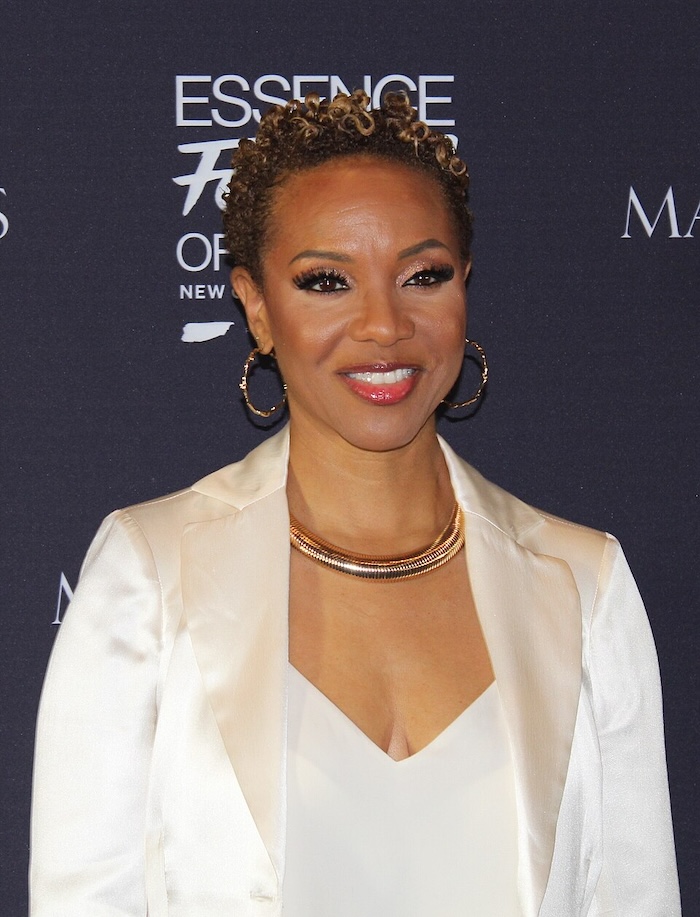
MC Lyte has long been one of the purest examples of what skill and consistency look like. Her voice cut through speakers from the start. It carried confidence, control, and no wasted motion. In the late 1980s and early 1990s, records like “Paper Thin,” “Cha Cha Cha,” and “Poor Georgie” showed technique, storytelling, and presence at a high level. She did not need gimmicks. The bars did the work. In interviews after the announcement, Lyte spoke about beginning as a teenager in a basement and now reaching one of music’s major honors. She also framed the moment as another barrier Hip Hop has broken through. That perspective is poignant because her career itself broke barriers for years.
She became one of the first solo female rappers to earn wide respect strictly off lyrical ability. Beyond music, she moved into voiceover work, media, business, mentoring, and advocacy. Through all of it, she kept her name solid. She also pointed to the meaning of being inducted alongside Queen Latifah and Wu-Tang Clan, which highlights how broad Hip Hop excellence looks. MC Lyte’s place in history is not based on nostalgia. Listen to the records now. The timing, the writing, the tone still hit. This Hall of Fame nod recognizes decades of work, but it also reminds newer fans where many standards came from.
Rick Rubin Helped Build the Soundtrack of Modern Hip Hop

Rick Rubin enters with the Musical Excellence Award, and it is hard to argue against his reach. As co-founder of Def Jam, Rubin helped launch one of the labels most tied to rap’s national rise. Early work with Run-D.M.C., LL Cool J, Beastie Boys, and Public Enemy helped move Hip Hop from local force to mainstream business and cultural power. His early production style favored punch, space, and impact. Loud drums. Strong riffs. Clear energy. It cut through radio and clubs alike. Later, Rubin’s résumé stretched far beyond rap, touching rock, country, pop, and metal, but Hip Hop remains central to his story.
He helped frame rap as album music, as rebellious youth music, and as commercially viable music without sanding off its edge. Some producers chase trends. Rubin often stripped songs to their core and trusted feel over clutter. Whether one agrees with every career move or not, his role in shaping multiple eras is undeniable. The Hall described him as one of modern music’s major architects, and there is truth there. Hip Hop fans should view this award as part of rap history too. Rubin’s story intersects with Def Jam, the growth of New York rap, and the expansion of the genre into places it once could not reach.
A Class That Reflects the Real Story of Modern Music
The strongest takeaway from the 2026 Rock & Roll Hall of Fame class is simple: Hip Hop is no side chapter in music history. It is part of the main text. With Wu-Tang Clan, Queen Latifah, MC Lyte, and Rick Rubin honored, the Hall recognizes artists and builders who changed sound, style, business, and culture across generations. This class also shows how many roads lead into one room, from Staten Island basements to Newark stages, from Brooklyn boardrooms to global arenas. For rap fans, it feels like progress, but also common sense. These names belonged in serious historical conversations long ago. And yes, before anyone asks, no complaints here about Sade being on the list either. She belongs on all the lists. Some honors need no debate.








10 thoughts on “Hip Hop’s Inductees into the 2026 Rock & Roll Hall of Fame”