
Apollo Brown and the Case for the Producer as Main Character
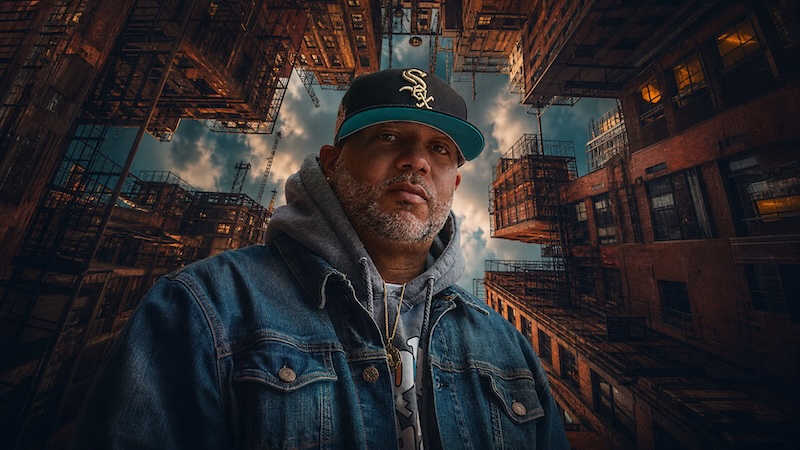
On July 7, Apollo Brown released “Stranger Things,” a new instrumental single ahead of his album No Pressure, No Diamond. On paper, it is a small event. There is no marquee guest verse, no headline feud, no giant playlist stunt, no rollout built around a rapper’s public drama. It is a beat record from a Detroit producer with a long catalog and a loyal audience. Yet that is the point. “Stranger Things” arrives as a useful reminder that one part of hip-hop’s underground economy still runs on a different set of values. In Apollo Brown’s world, the producer is not support staff. The producer is the artist.
You could say that that distinction matters more in 2026 than it did a decade or more ago. Rap’s digital market is crowded with beat leasing sites, “type beat” channels, and endless producer content built to serve somebody else’s image. Much of that work has a clear function. It feeds mixtapes, podcasts, ad spots, freestyles, and quick-turn internet releases. Apollo Brown’s lane sits somewhere else. His new single points back to a slower idea of authorship, one where an instrumental can stand on its own, carry mood and narrative, and build long-term value as part of a producer’s name.
The current release window gives the argument a firm peg. A July 7 post from Steaming Kettle announced “Stranger Things” as the next single from No Pressure, No Diamond, due July 24. In the same rollout, Brown described the beat as his stripped-down take on the “Upside Down,” tying the title to atmosphere rather than gimmick. His official socials pushed the same message.
An Instrumental Album Is Not a Placeholder
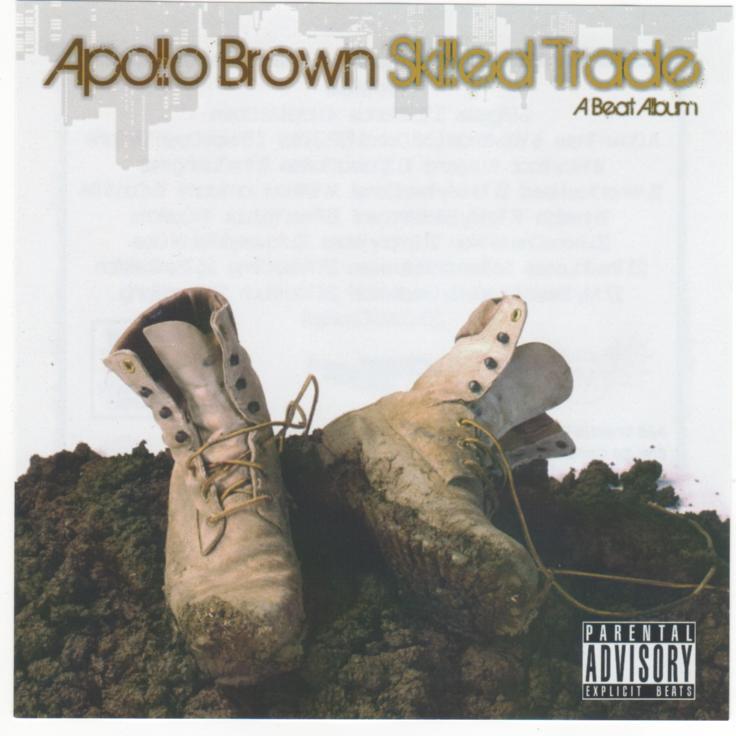
For years, instrumental rap has been treated as a side shelf. It gets respect from producers, DJs, and close listeners, yet it is still too often framed as process music, study music, or background music. Brown’s catalog argues for a different reading. His Bandcamp pages presents a body of work that includes more than 30 albums, with Clouds and This Must Be the Place named among the central titles. Mello Music Group’s artist page places him in a long line of boom bap producers while also noting his acclaimed instrumental records. Taken together, those pages show a career built not only on rapper-producer pairings, but on the producer’s own albums as finished statements.
That is a meaningful distinction in an era when speed often outranks cohesion. An instrumental album asks the listener to stay with tone, texture, pacing, and repetition. It does not lean on a punchline, a chorus, or a feature list to reset attention at each turn. If the music works, it works because the producer has made a world with enough detail to hold focus on its own. Brown has been doing that for years, and “Stranger Things” fits squarely in that line.
The same fact also has a business side. If the producer is the main artist, the catalog belongs to a single identity with a coherent sound and an audience trained to follow it. That lowers dependence on a hit guest feature or a shifting crew alliance. It also gives each release a clearer shelf life. A rapper may bring a beat to a wider audience in the short term. An instrumental catalog builds a direct relationship between listener and producer over time.
The Underground Still Rewards Coherence
Apollo Brown’s longevity did not come from chasing each turn in rap taste. The Mello biography points to his work with Ras Kass, Guilty Simpson, Skyzoo, Big Pooh, O.C., and others, but it also stresses how recognizable his drums, soul loops, and grimy mood remain from project to project. Fans know what they are showing up for. In mainstream pop logic, that kind of consistency is often treated as a limit. In the underground, it often works as a bond.
That bond has practical value. Brown’s Bandcamp page is not only a streaming mirror. It is a storefront and an archive. Listeners are offered music, merch, and direct access to the catalog in one place. That structure helps explain why producer-led underground careers endure. The audience is not waiting for radio to validate the next move. It already has a route to the music, a place to buy physical goods, and a sense of authorship strong enough to make the producer’s name itself the draw.
This is where the producer-as-artist model separates itself from the type-beat economy. The type-beat market is built on substitution. A customer looks for “sounds like” and treats the producer as a supplier. Brown’s lane is built on recognition. The listener is not shopping for a beat in the style of somebody else. The listener wants Apollo Brown because the identity of the producer is the product.
Ownership Means More Than Credit Lines
Independent rap talks about ownership all the time, yet producer ownership often gets reduced to publishing splits and metadata. Those things matter. They are not the whole story. Brown’s current setup suggests a broader idea of control. His other Bandcamp page identifies him as founder of Escapism Recordings. The current album rollout points to that same label structure. In other words, the beatmaker is not only making the music. He is also shaping the frame around it.
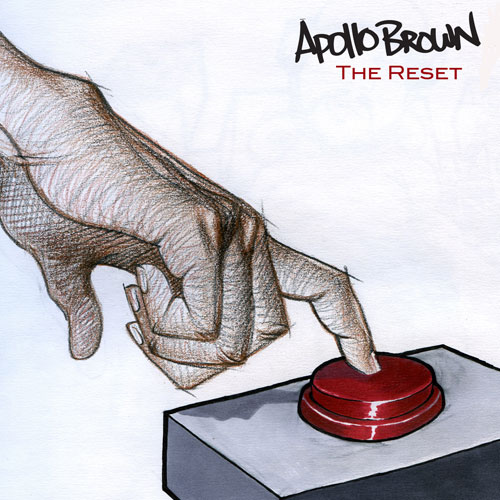
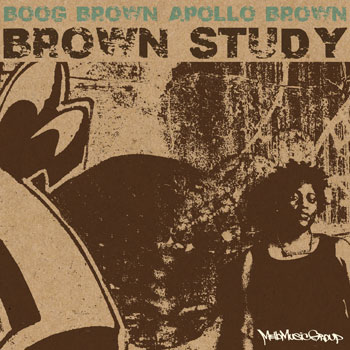
That matters for release timing, presentation, and the long life of the catalog. When the producer leads the project, there is less pressure to squeeze a beat into the branding needs of a vocalist. The track list, cover art, sequencing, physical editions, and sales path all serve one vision. That gives instrumental rap a collector logic that fits the underground well. A listener who buys one Apollo Brown release is not only buying songs. They are buying into a sustained body of work with a stable point of view.
It also changes how value gets measured. A beat does not need to become a TikTok snippet or a chart entry to matter. It needs to move enough listeners to keep the catalog alive, support direct sales, and preserve the producer’s leverage for the next release. That is a smaller scale than stadium rap, yet it is often a sturdier one.
Detroit Tradition, Digital Present
Brown’s music also sits inside a Detroit lineage where producers carry as much identity as rappers. The city has long treated beatmaking as an authorial act, not a hidden service role. You hear it in the discipline around drums, the respect for sample source material, and the value placed on mood as much as speed. Brown’s records are not copies of Dilla or anybody else, but they exist in a tradition where a producer’s sonic fingerprint is part of the public story.
What makes his current run worth watching is how that older producer logic survives in a digital market that pushes quantity and visibility. Brown has not disappeared into nostalgia. He is using modern channels, direct links, streaming services, Bandcamp, social rollout, and label infrastructure, while refusing the idea that producer music needs a rapper attached in order to count. That refusal is what gives “Stranger Things” its value as a story peg. It shows an artist staying legible without surrendering the terms of the work.
This reaches far past Apollo Brown. If producers are treated as full artists, not accessory labor, the economics of underground rap shift with them. Catalog building looks different. Fan loyalty looks different. Release strategy looks different. So does the meaning of success. Not all producers want to front a catalog this way. Brown’s example still shows the option is real, durable, and worth pursuing.

2 thoughts on “Apollo Brown and the Case for the Producer as Main Character”