
We Need to Talk About Jay-Z and Target
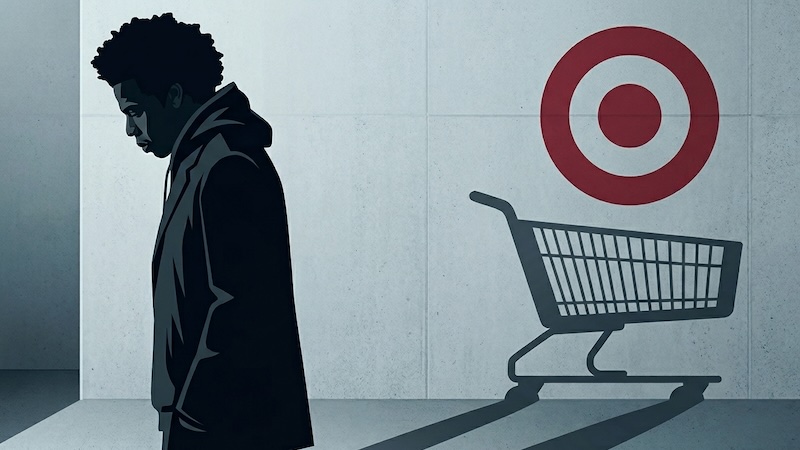
99 Problems, and Target Is One
Two weeks ago, Jay-Z stood on a stage in Philadelphia and reminded everyone why people call him one of the greatest rappers alive. His headlining set at the 2026 Roots Picnic, his first solo U.S. headline show in seven years, had fans talking for days. New afro, thirty songs, a Meek Mill cameo on “Dreams and Nightmares” that brought the loudest reaction of the night, and a freestyle aimed at Drake and Nicki Minaj that took over social media. Critics who doubted he still had it walked away with nothing left to say. For one night, Hov reminded the culture why he sits at the top of it.
Now that goodwill is taking a hit. Jay-Z has partnered with Target to release an exclusive white vinyl edition of Reasonable Doubt for the album’s 30th anniversary, and the backlash arrived almost as fast as the praise from Philadelphia did.
What the Jay-Z Target Deal Actually Includes
The record drops June 26, priced at forty dollars and capped at four copies per customer, with unreleased versions of select tracks including a Fool’s Paradise remix of “Can’t Knock the Hustle.” There is a D’Ussé tie in. There are anniversary experiences planned in stores. It connects to a three night run at Yankee Stadium in July, with one night built specifically around the Reasonable Doubt anniversary.
The problem, on the surface, is the partner. Target has been the subject of an organized economic protest since January 2025, when the company ended its three year DEI goals and its Racial Equity Action and Change initiative. That walkback came days after the Trump inauguration and a new executive order pushing federal agencies to drop diversity programs. Target had pledged in 2021 to invest two billion dollars in Black owned businesses by the end of 2025. Many in the Black community felt that pledge, made in the wake of George Floyd’s murder in Target’s home city of Minneapolis, was abandoned the moment it became politically inconvenient. The financial fallout has hit Target with reported declining sales, lighter foot traffic, and a stock drop of around thirty percent in 2025, a slide connected to former CEO Brian Cornell’s exit from the company.
Target Exclusivity Is Narrower Than It First Looked
Here is a detail that got buried under the initial outrage and deserves a clear correction. The Target exclusive is not the entire album. It is one specific color variant.
What Target actually has exclusive rights to is the white 2LP vinyl pressing, with its own cover artwork and a collectible insert. A standard black 2LP vinyl edition of the same anniversary release is sold for the identical forty dollars directly through the Roc Nation store, and reportedly through other retailers as well. The album is also available everywhere digitally and on streaming, which is how most people actually listen to music in 2026 anyway. Nobody has to set foot in a Target, or place an order on its app, to hear the anniversary tracks, own a vinyl copy, or attend the Yankee Stadium shows.
That nuance is important to note since a lot of the loudest callout posts framed this as Jay-Z funneling Black dollars straight back into Target’s registers. One widely shared post that helped light the fuse read, in part, that Jay-Z “wants y’all back in Target spending your black dollar$.” So, Hov’s deal limits the actual Target exclusivity to a single color of vinyl aimed at collectors who chase variants. This is also common practice in the music industry. Target has run identical color variant exclusives for artists like Pearl Jam, Nirvana, and No Doubt. Scarcity marketing for vinyl variants is nothing new.
But this is Jay, this is the Hip Hop and Black community. So, what’s common doesn’t erase the problem. Even a narrow exclusive still means Target gets a Jay-Z branded promotional moment and foot traffic from completionists who will not settle for the standard pressing, all while the community at large says the company has not made right by them. Jay-Z should know better.
When the next prominent name shows up doing business with an organization the community is actively pressuring, people are not reasonable doubt anymore. They have run out of it.
Inside the Target Boycott Jay-Z Is Stepping Into
This boycott is not run by one person. Minnesota organizers, including civil rights attorney Nekima Levy Armstrong, Monique Cullars-Doty of Black Lives Matter Minnesota, and Jaylani Hussein of CAIR-Minnesota, called for the nationwide boycott beginning February 1, 2025. Atlanta pastor Jamal Bryant later amplified the effort with a forty day “Target Fast” during Lent that grew into something much bigger than his church.
In March 2026, Bryant declared his Target Fast over, and the backlash was immediate. People online accused him of taking a payout from Target, which he firmly denied, saying neither he nor his church received “even a lunch” from the company. He later went on his podcast and apologized, admitting he had misread the room and that the broader boycott was never his alone to end. He credited Levy Armstrong and the original Minnesota organizers, saying he did not want to “co-opt what it is that Black women are building.”
That episode is the clearest evidence available that this protest belongs to the community collectively, not to any one leader’s blessing. So when Jay-Z signs a retail deal with Target in the middle of all this, there is no pastor he can quote and no single figure’s nod he can lean on. He is making a unilateral call inside a movement the people running it have insisted, loudly and recently, is not anyone’s alone to call off.
How Fans Are Reacting Online
The backlash arrived fast on social media. The Instagram page Essence Of Black Culture said Jay made himself available to “smack the community in the face,” while another page, Being Black Is Lit, accused him of helping Target “restore their brand with the Black community.” A widely shared post from commentator Stephie Darling asked her followers directly whether they were “still boycotting or nah,” and racked up tens of thousands of views within a day.
The replies split the way most things like this split online. Critics called the deal a test of boycott authenticity and predicted the same people boycotting Target would have the vinyl preordered by nightfall. Defenders pointed out that buying a Jay-Z album is not itself an injustice, and that plenty of people never signed onto the boycott in the first place. Vinyl collectors mostly cared about pressing quality and could not care less where the record came from.
The NFL Deal Comparison
Both Instagram pages mentioned above brought up the same comparison everyone keeps making, which is Jay-Z’s 2019 deal with the NFL. Roc Nation signed a five year agreement to help run entertainment programming after the league had effectively pushed Colin Kaepernick out of football for kneeling during the anthem. Eric Reid, who knelt alongside Kaepernick, called that deal “kind of despicable” at the time and accused Jay-Z of helping the NFL “hide behind his black face.” Kaepernick’s longtime partner, Nessa Diab, said on the radio that she did not mind Jay-Z doing a business deal but minded him wrapping it in social justice language while working with an organization that had denied someone an opportunity. At the press conference announcing the deal, Jay-Z said he believed the conversation had “moved past kneeling,” a line that landed like a direct rebuke of the protest he had once championed.
In fairness to Jay-Z, every Super Bowl halftime headliner since Roc Nation took over has been a person of color, which is not nothing and could be argued wouldn’t have happened with out Jay’s involvement. But that deal handed Roc Nation real, recurring decision making power over a major platform. The Target deal hands Jay-Z nothing comparable. It is a licensing agreement for one vinyl variant, timed to a thirty year anniversary, with no mechanism that changes anything about how Target treats Black employees, Black owned banks, or its own diversity commitments. There is no long game to defend here the way there arguably was with the NFL.
A Pattern of Hip Hop Turncoats Fueling the Distrust
There is also a wider context fueling the anger, and it has nothing to do with Jay-Z directly but everything to do with why fans are primed to assume the worst about this deal. The last eighteen months have given hip hop fans a string of reasons to feel burned by their own icons. Snoop Dogg performed at the Crypto Ball during Trump’s 2025 inauguration weekend, then told critics he was answering hate with love, a response that did little to calm fans who remembered how hard he had gone after Trump years earlier. Nelly performed at the Liberty Ball that same weekend and has defended the decision repeatedly, saying he respects the office regardless of who holds it. Soulja Boy and Rick Ross showed up at the same events. Then there was the backlash against Killer Mike and his stances.
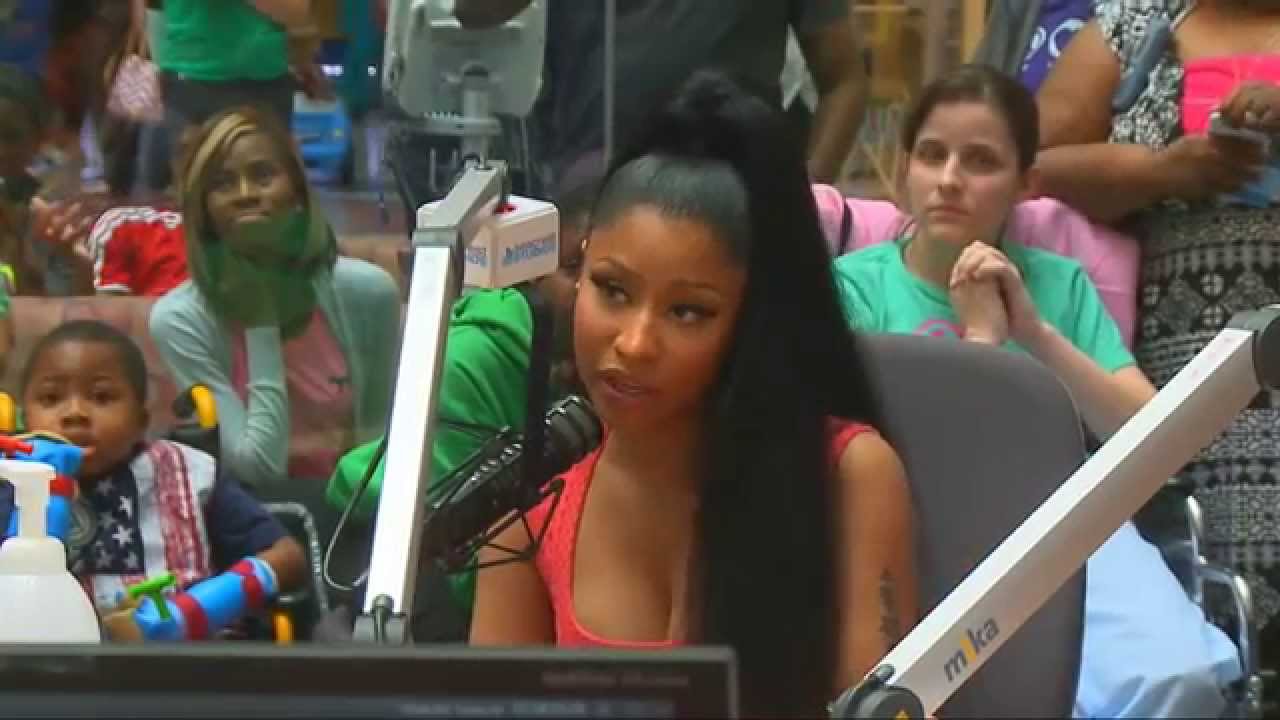
Nicki Minaj’s turn has gone even further. She has appeared at Turning Point USA events, called herself the president’s “number one fan,” and posted AI generated images of herself and Trump together, all while telling TIME magazine that fear keeps other celebrities from saying what she now says openly. She has even pointed a finger at Jay-Z directly, suggesting his closeness with Barack Obama cost the former president credibility with parts of the rap community.
None of that is the same thing Jay-Z is doing. Signing a vinyl deal with a boycotted retailer is not the same as praising a presidential administration on stage. But it lands in the same emotional space for fans who have spent over a year watching artists they grew up on choose proximity to power over solidarity with the people who built their careers. Trust has worn thin. When the next prominent name shows up doing business with an organization the community is actively pressuring, people are not reasonable doubt anymore. They have run out of it.
You Can Knock the Hustle
Even with the limited extent of the deal, there is still room for a side eye. Even a narrow exclusive lends his name and image to a Target promotional moment at a time when organizers say the company has not met their demands, and scarcity marketing on the white vinyl will still pull completionists through Target’s doors. Jay-Z has earned the right to run his business how he wants, and nobody expects every artist to audit a retailer’s politics before signing a licensing deal. But this is not his first time benefiting from a partnership with a company facing a Black led boycott rooted in real grievance. It comes at a moment when the community has made unusually clear that this fight matters, while the wave that let Target back out of its DEI commitments at the first chance it got keeps washing over the country, hitting Black voting access, Black history, and affirmative action alike.
Some fans are framing this as simple capitalism, pointing to Jay-Z’s long standing identity as an unapologetic businessman who has never pretended to be anything else. Once is a business decision. Twice starts to look like a pattern, and patterns say something about priorities. He has spent decades building wealth and ownership as a statement in itself, and he has earned the right to run his business the way he sees fit. But running a business and claiming cultural leadership are two different things, and Jay-Z has spent his career claiming both. When you stand on a stage and get celebrated as hip hop royalty, the same community celebrating you gets to ask hard questions when your next move undercuts something they are actively fighting for. Fans who are side eyeing this deal are not wrong to do it. The Roots Picnic earned him goodwill. The Target deal spends it.



4 thoughts on “We Need to Talk About Jay-Z and Target”