Kool DJ Red Alert Is Leaving Radio.
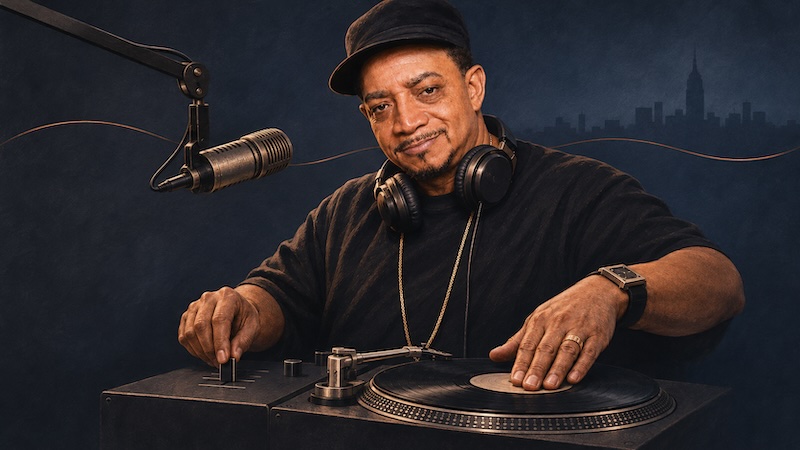
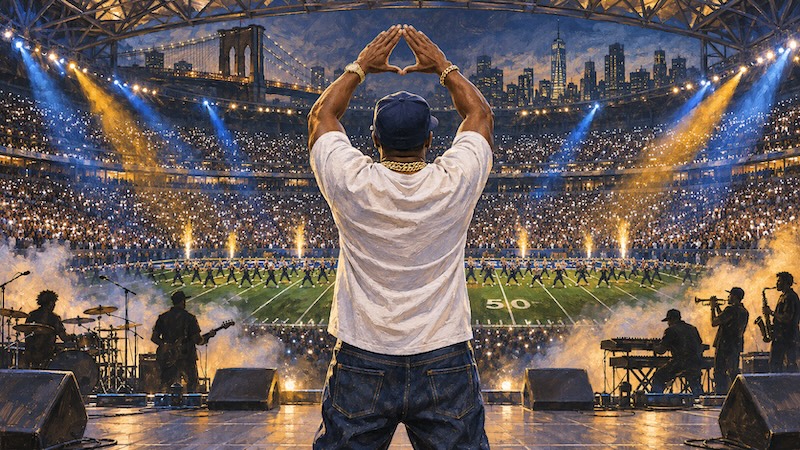
Kool DJ Red Alert has announced that his November 30 show on New York’s 107.5 WBLS will be his last radio broadcast. He plans to spend four hours at the controls. After more than four decades on the air, a single closing mix feels right for a man whose choices helped shape what New York heard, argued about and eventually called classic.
Red Alert made the announcement on November 2. He is marking 50 years as a DJ in 2026 and will celebrate his 70th birthday this month. He has been clear about the scope of his decision: he is leaving radio, while continuing to DJ at special events and community celebrations. That distinction matters. His relationship with an audience began at parties, and it will continue beyond a broadcast schedule.
This is a moment to give him his flowers with some precision. Red Alert helped take Hip Hop from neighborhood gatherings into a commercial radio system that had little room for it. He backed young artists before their names carried weight. He used the authority of a DJ to make listeners curious, to push records into public conversation and to connect artists to one another. His history is inseparable from the sound of New York, yet its reach did not stop at the city line.
A DJ before the radio station
Red Alert’s education came from several places. Growing up in Harlem, he heard Caribbean music through his family and watched DJs including Kool Herc, Grandmaster Flash and Afrika Bambaataa at parties. His cousin Jazzy Jay helped bring him into Bambaataa’s circle. Red Alert became part of the Zulu Nation’s early DJ community, learning to move between records and crowds before a commercial station offered him a microphone.
That history matters because Hip Hop did not begin with a recording contract or a radio format. DJs built gatherings around their equipment, selections and judgment. A crowd could tell whether a DJ knew the music and could respond to the room. Red Alert carried that standard into his radio work.
Before KISS-FM, he spent time with Afrika Islam on Zulu Beats at WHBI, an independent New York station. Then 98.7 KISS-FM brought him in during October 1983. His first mixes there were recorded on tape, and he initially worked without pay. The station wanted Hip Hop in its mix programming at a time when the genre was still struggling for regular commercial airplay. Red Alert brought the approach he had developed at parties rather than treating rap as a novelty slot.
In a 2012 interview with The Village Voice, he remembered opening his first KISS mix with Tom Tom Club’s “Pleasure of Love.” He also remembered playing dance music, R&B and Hip Hop together. That detail tells us more about his ear than a tidy genre label does. He selected records for their feel and their relationship to the audience. As rap grew more prominent, his KISS show grew with it, eventually becoming a Saturday night appointment for listeners who wanted to hear what was happening in the city.
The records he stood behind
There was a time when hearing a new record on a trusted DJ’s show could change an artist’s prospects. Red Alert understood the responsibility attached to that attention. Boogie Down Productions’ “South Bronx” is one of the clearest examples.
Red Alert recalled being at the Latin Quarter when Scott La Rock brought in an acetate of the track. After the club DJ played it twice to a strong response, Scott handed the record to Red Alert for radio. Red says he was the first to play it on air. The record answered MC Shan’s “The Bridge” and helped set off the Bridge Wars, the contest that placed BDP’s Bronx position against the Queensbridge camp associated with Marley Marl and Mr. Magic at WBLS.
The rivalry gave New York rap some of its most enduring records. Red Alert stood with KRS-One and Scott La Rock; Mr. Magic and Marley Marl represented the opposing radio camp. Red Alert later emphasized that the contest stayed on records and in words. He understood competition as part of Hip Hop’s artistic practice, and he gave a new group room to make its case to the city.
His support extended far beyond BDP. Red Alert has named U.T.F.O.’s “Roxanne, Roxanne” among the records people credit him with playing early. He championed the Jungle Brothers, De La Soul, A Tribe Called Quest, Queen Latifah and Black Sheep during a period when their approaches widened what rap could sound and feel like on the air. Those names now fill histories of Hip Hop’s late 1980s and early 1990s. At the time, they were making records that needed advocates willing to play them.
More than airplay for the Native Tongues era
Red Alert’s connection to the Jungle Brothers was personal and practical. His nephew Mike G was in the group. Red Alert introduced Mike and his friends to producer Tony D, helping them begin recording. He contributed his voice to “Jimbrowski,” one of the group’s early records. The relationship was familial, creative and professional at once.
He also built a small management company, Red Alert Productions, which worked with the Jungle Brothers, A Tribe Called Quest, Monie Love and Black Sheep. His support for that generation reached beyond the artists he managed. He played De La Soul and Queen Latifah on air, too, putting their records in front of listeners who trusted his ear.
These groups did not share one sound. Red Alert’s role was not to claim their creativity as his own. It was to recognize what they were building, make space for it and help more people hear it. A history that names the artists while leaving out the DJs who backed them misses how that music reached an audience.
Red Alert has said as much himself. In a 2005 Red Bull Music Academy conversation, he argued that the recording industry gave the emcee the main spotlight while the DJ receded from view. He wanted DJs and MCs recognized together as partners in Hip Hop’s history.
A sound that traveled
Radio was local, but the tapes were portable. Red Alert recalled arriving in London in the 1980s and meeting listeners who knew his work because people had carried recordings of his New York show overseas. Some played the complete broadcasts on pirate radio, commercials included. The story gives scale to what he was doing: a Saturday night show in New York could become part of somebody else’s education in Hip Hop far away.
His sets also refused a narrow definition of the music. After touring with BDP, he brought more dancehall into his KISS programming. He has described starting with a short stretch of Caribbean records and expanding it as listeners responded. His own family background was present in that choice. It also reflected what many New York audiences already knew: Hip Hop’s listeners lived alongside reggae, dancehall, soul, house and other Black musical traditions.
His career continued across KISS-FM, Hot 97 and WBLS. Each station had its own era and audience, and Red Alert remained a recognizable presence through changes in format and technology. Longevity alone would be worth acknowledging. What makes this career exceptional is that the same person who played at Hip Hop’s early gatherings was still putting his knowledge and voice on the air more than 40 years later.
Red Alert’s farewell should be heard in the terms he gave it. The radio run ends on November 30, after a November 24 celebration at Sony Hall. The DJ keeps going. For anyone who learned a record from his show, taped a mix, followed an artist he backed or simply heard that unmistakable voice between songs, the respect is due now. Kool DJ Red Alert gave Hip Hop time, work, taste and loyalty across half a century. He deserves to hear the thanks while he is here to receive it.
Stop by Red Alert’s Instagram and show him some love.