GTA VI Is Selling More Than a Game. Hip Hop Is Central to the Plan.
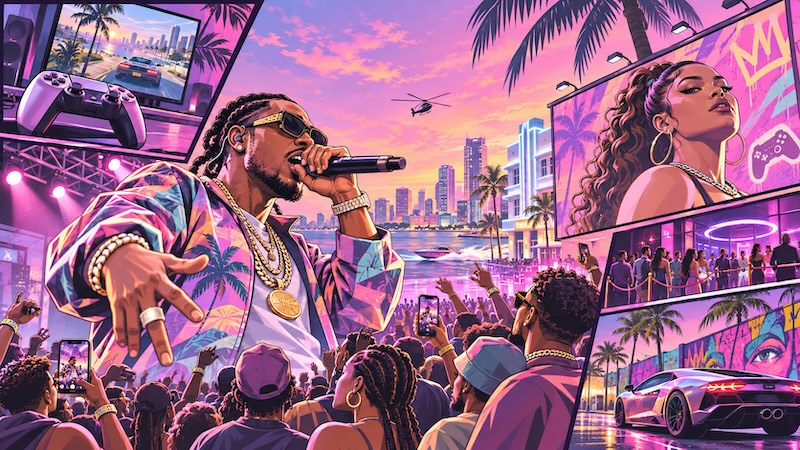
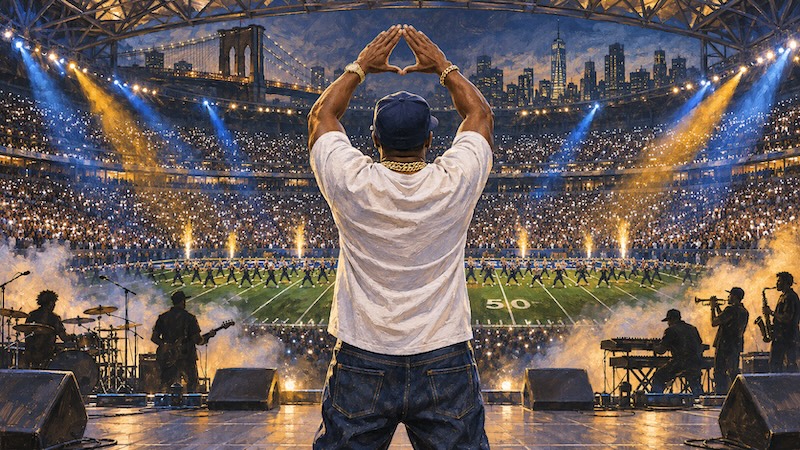
Rockstar is putting rap artists at the center of the launch of Grand Theft Auto VI. Its November 21 festival at Mana Wynwood in Miami will feature Travis Scott, Cardi B, Metro Boomin, Don Toliver, Kodak Black and SoFaygo. The event follows the game’s scheduled November 19 release and connects its music campaign to a concert audience. As of November 15, these are announced bookings, not completed performances. Rockstar’s event page confirms the date and artists.
The arrangement deserves attention beyond the names on the bill. Rockstar is coordinating a game, original music, recordings sold separately and a live event under one title. Hip hop supplies recognizable artists and a relationship with listeners that a software advertisement cannot manufacture on its own. The question for the culture is what artists gain from that relationship once the launch campaign ends.
The rappers on the festival bill
The Cactus Jack presentation groups Scott with Toliver, Kodak and SoFaygo. Cardi and Metro have separate billing, while CA7RIEL and Paco Amoroso add another rap connection within a program that extends into Latin and electronic music. Justice is booked for a DJ set.
The concert gives rap fans a reason to engage with the launch even if they are more interested in the performers than the game. For Rockstar, that association makes the event useful beyond the people who attend. Its name can circulate with artist announcements and fan discussion, reaching audiences through the musicians they already follow.
What is confirmed on the album
The original album, Grand Theft Auto IV: Original Score by Justice, provides firmer evidence of individual musical involvement. Rockstar lists Scott’s “RHYNO,” Cardi’s “Don’t Chart” and Yung Lean’s “That’s It,” featuring Future and Metro Boomin. CA7RIEL and Paco Amoroso also appear on “Sexy Magic” with PinkPantheress, Fred again.. and Etienne de Crécy. These are confirmed recordings, rather than guesses based on the festival program. Rockstar’s music page identifies the tracks.
The rap selections put different artistic relationships beside one another. Lean’s record joins a Swedish rapper with Future and Metro; Scott’s track has another connection to electronic music. DJ Mag reports that “RHYNO” was produced by Daft Punk’s Guy-Manuel de Homem-Christo. That credit makes the song more specific than a celebrity contribution to a compilation. It connects two established musical audiences within a release made for the game.
DJ Mag also identifies Atlantic Records as the album partner. Its reporting distinguishes the original recordings from the broader licensed music heard within GTA VI. That separation is essential: a soundtrack album can be marketed and listened to as a separate release without serving as a complete inventory of the game’s music. DJ Mag’s album report documents the partnership and early singles.
For listeners, the available tracks offer a practical way to assess the project before release. The relevant evidence is in the recordings and their credits. A famous name on a campaign can attract attention; whether that attention produces a lasting connection to the artist depends on the music and what listeners do afterward.
Radio credits require care
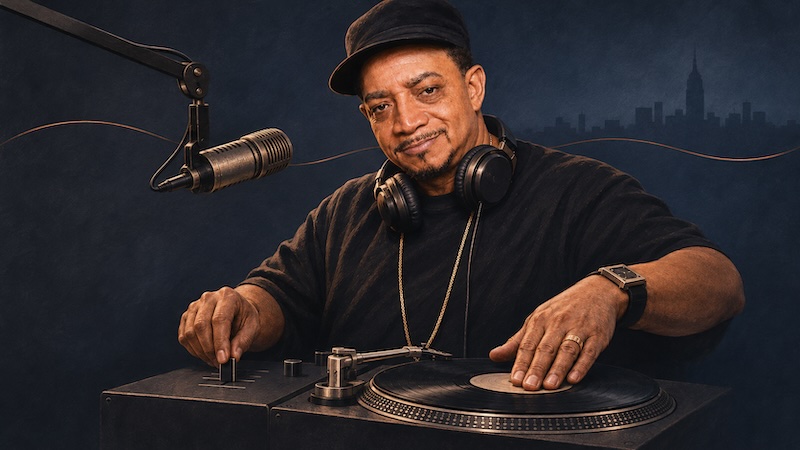
Rockstar presents the original album, radio programming and Justice’s score as distinct parts of GTA VI’s music. The album is scheduled for November 19 with 34 original tracks. The score’s separate release is scheduled for December 11. Its radio preview includes Dirty South Classics, described as regional rap and hip hop classics hosted by “Trick and Trina.”
The station introduces a different editorial question from the album’s new singles. Selecting older regional music amounts to choosing which records represent a place and its history. Listeners should judge that selection on its range and context, alongside how the hosts present the music. A recognizable song can be entertaining while still giving a limited account of the scene that produced it.
There is also a narrower category of music heard in promotional footage. PC Gamer identifies Birdman and Lil Wayne’s “Pop Bottles,” Kodak Black’s “Skrilla” and Sexyy Red and Tay Keith’s “Pound Town” in the Netflix preview. The publication cautions that songs in official footage are not guaranteed entries on the finished game’s radio. They should be described as preview selections until further confirmation. PC Gamer’s music guide makes that limit explicit.
A public celebration with conditions
Access to the Miami event is also controlled. Rockstar’s rules require attendees to be at least 17. DICE handles sales through codes allocated by a Laylo drawing. Purchases are limited to two tickets, which cannot be transferred. By November 15, the entry period had closed and a waitlist was available. Attendance therefore requires more than an interest in the artists.
Travel and time add further limits for fans outside Miami. These are ordinary realities of a physical concert, but they matter when a global game campaign presents a local event as a shared celebration. The people contributing attention to a launch are a much larger group than those able to attend its concert.
GTA VI’s music campaign gives hip hop a prominent role in how the game is introduced and sold. That prominence is worth examining through confirmed credits, access and artist compensation rather than assumed benefits. After November 19 and November 21, the more useful measure will be what listeners take beyond the launch: an interest in the musicians, their catalogs and the histories their music carries.