
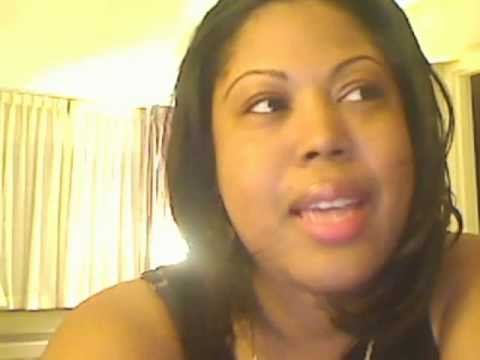
She steps into Rap Your Way into an Occupation: Emcee Employment, Hip-Hop Workforce like it’s a community meeting, not a motivational gimmick. The premise is simple and sharp: too many aspiring rappers box themselves into a single identity — “music is the only thing I know how to do” — and when the industry doesn’t hand them the outcome they imagined, they harden into bitter, resentful “mad rappers” who feel owed. Her aim isn’t to clown anybody or tell them to quit; it’s to widen the lane. Build a resume, pay your bills in the meantime, and recognize that the traits you sharpen while chasing the mic can be flipped into real careers inside or outside entertainment.
The first skill she puts under the microscope is communication — and she treats it like the core muscle of being a true MC. If you can command language, you can command opportunity: writing clearly, speaking cleanly, expanding vocabulary, getting your point across without leaning on verbal crutches. She makes a tough-love distinction between “rapping” and “being an MC,” arguing that the craft demands intentional growth and the ability to communicate on paper and out loud. From there she pivots to public speaking as an underrated superpower: most people fear it enough to pay for classes, while MCs spend years training in front of crowds. In her view, stage experience teaches something the workforce rewards immediately — quick thinking, presence, and “damage control” when things go left.
That’s where the metaphor hits hardest: the same way you freestyle through a DJ cueing the wrong track, you can freestyle through a work presentation when the PowerPoint corrupts five minutes before showtime. In this framing, the MC skill set is less “art-only” and more “portable leadership”: audience engagement, improvisation, persuasion, and personality-driven messaging. That opens a menu of possible paths — teacher, counselor, activist, politician, motivational speaker, lawyer, sales, marketing — any role where you communicate, influence, and move people. She closes by pointing to examples of artists and cultural figures who parlayed those gifts into new arenas, then delivers the real thesis one last time: don’t sell yourself short. Rap might be the dream, but the abilities that make you believable on a mic can keep you powerful anywhere.




Leave a Reply